A Corner of One's Own: The Quiet Return of the Dressing Table
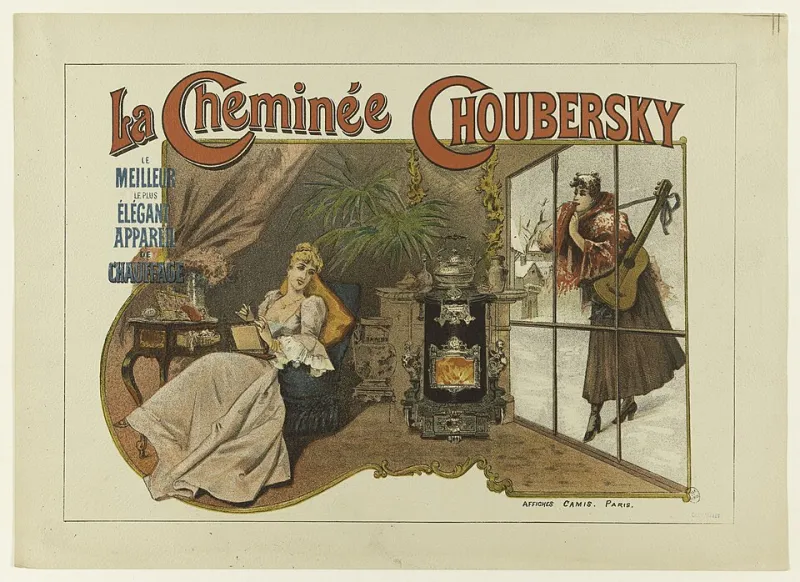
Photo: Anonyme, CC0, via Wikimedia Commons
There was a time, not long ago, when the dressing table seemed destined for the skip. Open-plan living swept through British homes like a tide, and with it came the notion that every activity should happen in full view of every other. Yet fashions in how we live are as cyclical as fashions in how we dress, and the signs are unmistakable: walls are going back up, doors are being closed, and homeowners are once again seeking small, private corners in which to begin and end the day.
Few pieces of furniture embody this shift better than the dressing table. Whether it occupies a generous bay in a Victorian bedroom or squeezes into an alcove on the landing, it represents something quietly luxurious — a dedicated space, however modest, that belongs entirely to you.
Why Small Spaces Are Having a Moment
The revival is not really about furniture at all; it is about atmosphere. A dressing corner, properly conceived, is a room within a room. It asks for very little: a surface, a mirror, a comfortable perch and, crucially, the right treatment of light and texture. In many ways, the smaller the space, the more rewarding the design exercise, because every choice carries weight.
An awkward alcove beside a chimney breast, a generous landing with a dormer window, the end of a long bedroom — these forgotten pockets of the British house are ideal candidates. What elevates them from afterthought to sanctuary is layering: textiles chosen with the same care one might apply to a tailor-made jacket.
Getting the Light Right for the Mirror
Anyone who has ever applied make-up beneath a south-facing skylight in July, or squinted into shadow on a grey November morning, knows that light control is the beating heart of a good dressing area. The mirror does not lie, but the window can certainly deceive it.
The aim is soft, even, diffused light — the kind that flatters without concealing. A voile or sheer fabric at the window will temper harsh direct sun, while a lined roman blind above it offers precise control when precision matters. The beauty of the roman blind in this context is its neatness: it sits close to the glass, leaves the sill free for perfume bottles and brushes, and folds away entirely when maximum light is needed.
For north-facing rooms, which receive that soft, shadowless light photographers prize, a simple sheer may suffice year-round. For brighter aspects, consider a double layer — sheer for daily use, a blackout-lined blind for early summer mornings when the British sun rises before you do.
The Case for Soft Furnishings You Can Hear
It is a detail easily overlooked: textiles do not only look and feel pleasant, they absorb sound. A dressing corner dressed in hard surfaces — painted plaster, glass, polished wood — will echo. Add a fabric-covered blind, a wool or linen curtain panel, an upholstered stool and a small rug, and the acoustic character of the space changes entirely. Suddenly the corner feels hushed and enclosed, a pocket of calm in a busy household.
This is why we so often recommend fabric-led schemes for these spaces. A heavy linen curtain hung to one side of an alcove can visually and acoustically frame the area. An upholstered stool in a heritage weave — a small paisley, a faded floral, a fine herringbone — adds both comfort and character. Even the blind itself, particularly in a textured fabric rather than a flat synthetic, contributes to that sense of soft enclosure.
Styling with Heritage Fabrics
The dressing table is a natural home for pattern in a way that larger schemes sometimes are not. Because the footprint is small, one can be braver: a floral blind that would overwhelm a whole wall becomes a jewel-like accent in an alcove. Traditional British motifs — chintz, toile, needlepoint-inspired weaves — sit particularly well here, echoing the dressing tables of country houses while feeling entirely current when paired with clean lines and contemporary colours.
A few principles serve well:
- Anchor with a neutral base. Let the blind or curtain carry the pattern, and keep walls and larger pieces quiet.
- Repeat, don't duplicate. If the blind is floral, echo it in a cushion or a covered tuffet rather than matching everything exactly.
- Mind the scale. In a small corner, a smaller-scale print reads more elegantly than a bold, room-dominating design.
- Consider the view. The fabric will be seen at close quarters, twice a day — choose something that rewards inspection, with a weave and handle that please the hand.
A Ritual Worth Keeping
There is a reason the dressing table has survived a century of changing habits. It is not merely a place to store lipstick; it is where the day is composed and decomposed, a few unhurried minutes claimed from the general rush. Giving that ritual a proper setting — soft light, quiet fabrics, a chair that welcomes you — is one of the most affordable luxuries a home can offer.
Whether your canvas is a grand bedroom bay or a two-foot alcove at the top of the stairs, the recipe is the same: control the light, soften the sound, and choose fabrics with the sort of heritage character that makes even a Monday morning feel slightly more considered. Your local showroom, with its shelves of swatches and decades of accumulated advice, remains the best place to begin.