Chasing the Sun That Never Comes: A Warm-Hearted Plan for the North-Facing Room
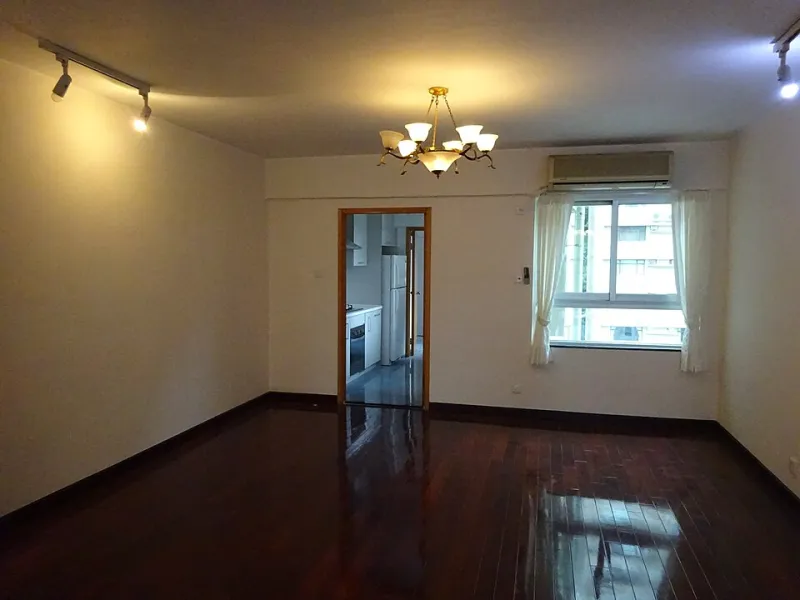
Photo: YSSKACH WFAMOACSH TUNGA, CC BY-SA 4.0, via Wikimedia Commons
Ask any homeowner in Britain to point out the most troublesome room in the house and, more often than not, a finger will swing towards the north. There is a peculiar inevitability to it — a Victorian terrace in York, a 1930s semi in Solihull, a converted mill flat in Hebden Bridge — and in each one, somewhere, sits a north-facing room whose light never quite arrives. It is cool, it is grey, and by four o'clock on a January afternoon it has all but departed.
And yet the north-facing room is rarely short of character. High ceilings, generous proportions, a blessed absence of glare and overheating in summer — these are rooms with real potential, provided one stops expecting them to behave like a sun-trap and starts dressing them for what they are.
Understanding What You Are Working With
North light is, in essence, borrowed light. It is indirect, diffuse and carries a distinctly cool, blue-grey cast — the reason photographers have long prized north-facing studios, and the reason the same quality can make a sitting room feel faintly funereal. Colours read truer in it, which is a quiet advantage, but warm hues are sapped of their glow, and pale neutrals can turn unexpectedly chilly.
The first step is not to repaint everything in a panic, but to observe. Spend a week noting when the room is at its brightest, where shadows pool, and how the light shifts across a wall. Only then should you reach for fabric swatches — and even then, view them in the room itself, never in the showroom's south-lit bay or, worse, on a screen.
Warmth Begins at the Window
The instinct in a dim room is to strip the window bare and let in every available photon. Resist it. A naked window in a north-facing room invites heat loss in winter and a flat, washed-out quality of light the rest of the year. The answer is layering — treatments that soften and warm the light rather than merely admitting it.
A good starting combination is a pale, lightly reflective blind for privacy and light control, paired with generous curtains in a warm-toned fabric that can be drawn back fully during the day. Roman blinds in a silk-look or subtly lustrous weave work beautifully here; the gentle sheen bounces what light there is back into the room rather than swallowing it.
For the curtains themselves, think in the warm half of the palette: ochre, terracotta, soft coral, muted gold. Velvets are exceptional performers in low light — their pile catches and holds colour in a way flat cottons cannot, so even a dove-grey velvet with warm undertones will read richer than the same shade in a matte linen.
Sheen, Texture and the Art of Reflected Light
In a room starved of sunshine, texture does the work that light cannot. Matte surfaces absorb; lustrous surfaces return. This is why a single velvet armchair or a set of faux-silk cushions can lift an entire scheme — they introduce tiny points of reflected light that animate the space.
Consider, too, the hardware. A brushed brass curtain pole, a warm-toned blind chain, even the metallic thread in a woven trim: each catches the ambient light and quietly multiplies it. In north-facing rooms we often advise clients to think of metallic accents as artificial sunshine, deployed sparingly but deliberately.
Layered textiles elsewhere — a wool throw, a deep-pile rug, lined drapes that hang in soft folds — add the dimensional shadow and depth that flat, poorly lit rooms so often lack.
The Colour Question
The received wisdom is to paint everything white. It is, in most cases, the wrong advice. Pure white under cool north light turns institutional; the room feels like a hospital corridor waiting for a trolley. Far better are warm-leaning neutrals — the so-called 'greige' family, soft putty, warm ecru — or, for the braver, a full embrace of the room's nature with deep, moody colour. A north-facing study painted in a rich olive or inky teal, dressed with warm brass and honey-toned fabrics, becomes cocooning rather than gloomy. The darkness becomes a choice, not a deficiency.
Before and After: A Tale from the Shop Floor
We recently advised the owners of a north-facing drawing room in a Regency terrace in Brighton — a lovely room with tall sash windows and, by three in the afternoon, all the ambience of a waiting room. The transformation required no structural work whatsoever. Sheer Roman blinds in a warm ivory were fitted close to the window recess for daytime privacy; full-length velvet curtains in a burnt amber were hung from a brass pole mounted high and wide, so the window appeared larger and the fabric framed rather than blocked the light. Cushions in complementary ochres and a lustrous wool rug beneath completed the picture.
The owners reported, with some astonishment, that the room now feels warm even on grey days. Nothing about the light changed — only how it was dressed.
An Invitation
North-facing rooms do not need rescuing; they need interpreting. Bring us your measurements, your photographs, even your frustrations, and our design consultants will help you select fabrics, blinds and curtain treatments that work with your room's peculiar light rather than against it. The sun may not cooperate — but with the right fabrics, it hardly needs to.