After Sundown: Auditioning Dining Room Fabrics by Candlelight Before You Commit
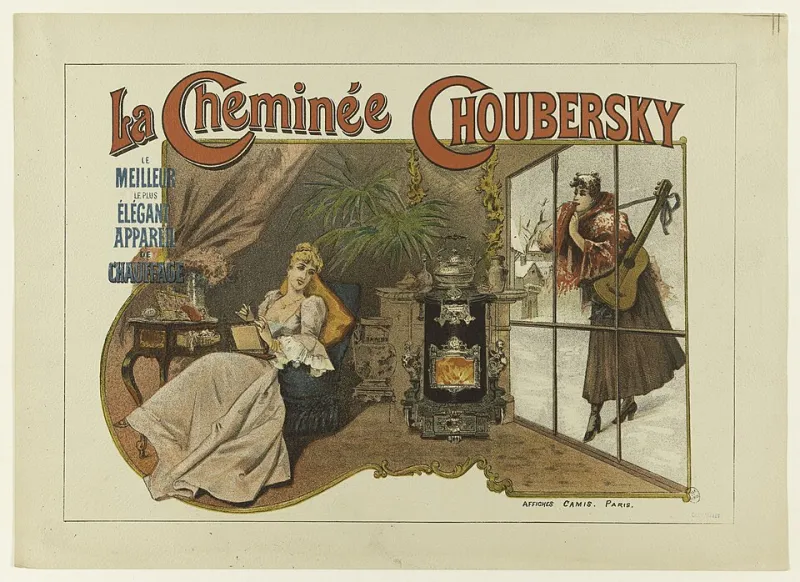
Photo: Shixart1985, CC BY 2.0, via Wikimedia Commons
There is a peculiar dishonesty about the way most of us choose fabric for the dining room. We visit the showroom on a Saturday morning, hold a velvet up beneath rows of bright downlights, admire its colour, and order six metres on the spot. Then, three weeks later, the curtains are hung, the table is set for eight, and the room looks — well, not quite as we imagined. The fabric that sang under fluorescent light has gone oddly flat in the glow of a pendant, or worse, it has turned a shade of apricot no one commissioned.
The truth is that the dining room is the most nocturnal room in the house. It works hardest at seven o'clock on a February evening, when the curtains are drawn, the candles are lit and the second bottle is open. Judging its fabrics by daylight is rather like auditioning an actor by reading their headshot alone.
The Problem with the Showroom Glare
Let us be clear: nothing replaces a visit to a proper fabric showroom. Feeling the weight of a linen, watching how a weave shifts as it folds — these are things no screen can convey. But artificial retail lighting is engineered to flatter, not to reveal. Most showrooms run cool, even, shadowless light from above, which is precisely the opposite of the layered, warm, low-level illumination of a dinner table.
Under a pendant or a candle flame, colour temperature drops dramatically. Cool blues retreat into navy or even grey. Reds deepen towards oxblood. And sheen — the quality that makes a velvet so seductive in the shop — behaves entirely differently when the light source sits at table height rather than overhead.
Velvet: The Evening Performer
If any fabric was born for the after-dark dining room, it is velvet. Its pile catches light unevenly, producing those pools of luminance and shadow that give a room depth once the sun has gone. A plain cotton velvet in a deep fig, forest or tobacco can make an ordinary dining chair look as though it came from a country house sale.
The caveat is scale and colour. In dim, warm light, velvets with a slight sheen read more generously than matte ones, which can look heavy and lifeless. Hold your sample at arm's length, tip it towards and away from a single candle, and watch how the colour moves. If it still pleases you in that low, flickering light, it will please you for years.
Linen: Honesty at the Table
Linen plays a different game. It does not shimmer; it absorbs. Under candlelight, a good washed linen — on curtains, a runner, or relaxed Roman blinds — gives the table a softness that silkier cloths cannot match. It is the fabric equivalent of a well-worn oak board: unpretentious, tactile, quietly expensive-looking.
Be warned, however, that linen's natural slubs and irregularities are magnified after dark, when side-lighting rakes across every thread. Some find this charming; others find it scruffy. There is no right answer, only the right answer for your room — which is precisely why you must see it at home first.
The Sheen Question
Silks, faux silks and lustrous weaves deserve particular scrutiny. In daylight, a striped silk curtain panel looks crisp and civilised. After dark, with light bouncing off polished glassware and silver below, that same sheen can tip a room from elegant into theatrical. If your scheme already contains shine — a glazed table, brass fittings, mirrored sideboard — consider muting the windows with a textured weave or a lined matte fabric, and letting the tableware provide the sparkle.
A Simple Audition Routine
Before committing to any dining room fabric, try this:
- Borrow or buy generous swatches — A5 is not enough; ask for a metre offcut where possible.
- Drape, don't flat-lay. Pin or drape samples where they will actually live: at the window, over a chair back, on the table.
- Test at three light levels. Full pendant, dimmed to half, and candlelight only. Photograph each on your phone — the camera is more honest than the eye.
- Repeat after a glass of wine. Half in jest. Comfort and warmth are part of the judgement, and a fabric that feels right when relaxed is usually right.
Choose for the Evening, Enjoy by Day
Here is the happy paradox: fabrics chosen to perform after dark almost always look superb by day as well. Deep velvets and honest linens carry enough character to hold their own in morning light, while the reverse is frequently not true. So the next time you fall for a fabric beneath the showroom's spotlights, take a step back. Bring it home. Wait for dusk. Light a candle, pour something restorative, and see whether it still has the charm it promised. Your dinner guests may never know why the room feels so good — but you will.