Echoes in the Extension: The Acoustic Case for Dressing Your Home in Fabric
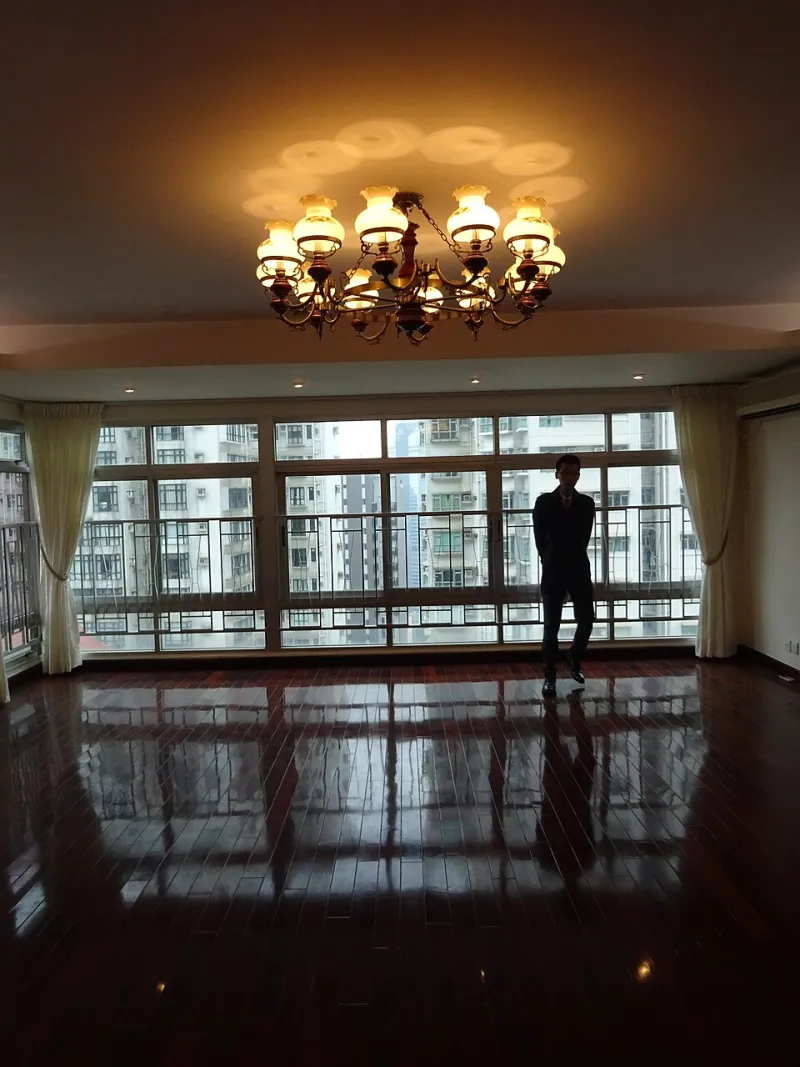
Photo: YSSKACH WFAMOACSH TUNGA, CC BY-SA 4.0, via Wikimedia Commons
There is a particular silence that settles over a Victorian drawing room at dusk — a muffled, carpeted hush that modern homes, for all their elegance, seem to have mislaid. Step into a contemporary kitchen-diner with porcelain tiling, bi-fold doors and a ceiling that soars to the rafters, and you may hear something quite different: the clatter of a teaspoon travelling the length of the room, a conversation that carries as though broadcast from a railway announcement.
The culprit is not the family, nor the architecture, but physics. Sound rebounds off hard, reflective surfaces — stone, glass, plaster — and modern British interiors offer it precious little to absorb. The remedy, pleasingly, is one we have been quietly perfecting for centuries: fabric.
Why Modern Homes Have Lost Their Hush
Open-plan living has transformed the way we use our homes, but it has come at an acoustic price. Where a 1930s semi divided sound into discreet compartments — the parlour, the scullery, the snug — a single, generous living space allows noise to travel unimpeded. Add underfloor heating, which has all but banished the fitted carpet, and a wall of glazing that reflects sound as efficiently as it welcomes light, and the result is a home that photographs beautifully and echoes like a village hall.
Reverberation, to give the phenomenon its proper name, is measured in the time it takes a sound to decay. In a heavily furnished room, that decay is swift and gentle. In a bare, hard-surfaced one, it lingers, blurring speech and amplifying the everyday. The good news is that even modest additions of soft furnishing can measurably shorten that decay.
The Quiet Science of Cloth
Not all fabrics absorb sound equally, but the principle is simple: the thicker, heavier and more porous the material, the more sound energy it traps. Deep-pile wool, velvet and heavy woven curtains are the undisputed champions, converting sound waves into imperceptible heat within their fibres. A full-length, generously pleated curtain hung from ceiling to floor will outperform a slim pelmet-hung panel many times over — the folds themselves create additional depth for sound to sink into.
Roman blinds, meanwhile, offer a particularly elegant solution. Because the fabric gathers into generous horizontal folds when raised, the room benefits from a permanent reserve of soft, layered material even when the blind is open. In a kitchen-diner where full curtains would be impractical, a lined Roman blind in a heavyweight linen or wool blend can take the edge off the clatter without encroaching on worktops or sinks.
Layering multiplies the effect. A sheer voile beneath a lined curtain, a rug over engineered oak, upholstered dining chairs rather than moulded plastic, a fabric wall panel or hung textile: each addition shortens the echo. Interior designers have long noticed that the most inviting rooms — the ones where guests linger and conversations soften — are almost always the most generously upholstered.
Where to Begin, Room by Room
Start with the largest reflective surfaces and work downwards. In rooms with tall glazing, full-height curtains are the single most effective intervention; choose a lined or blackout interlined curtain in velvet, heavy linen or a dense wool mix for maximum benefit. In bedrooms, the same treatment delivers a second gift — a darker, more restful sleep.
For period properties with sash windows and original plasterwork, Roman blinds in a substantial weave offer acoustic softening without obscuring architectural detail. In extensions and orangeries, where glass dominates, combine sheer and lined layers on a double track to temper both light and sound across the seasons.
Do not overlook the ceiling height of a staircase or the hard surfaces of a hallway. Even a modest runner of fabric — a curtain across a glazed internal door, a blind on a stairwell window — will register in how the house sounds as you move through it.
A Home That Feels as Calm as It Looks
There is a pleasing symmetry in the fact that the materials which make a room beautiful — rich weaves, sumptuous velvets, softly falling linens — are the very ones that make it peaceful. Acoustic comfort is not a compromise on style; it is an argument for more of it.
For homeowners planning an extension, redecorating a difficult room, or simply tiring of a home that carries every clink and conversation, the advice is straightforward: measure thoughtfully, choose weighty fabrics with generous fullness, and let the cloth do the quiet work. The result is a home that greets the ear as kindly as the eye — and in a busy British household, that is a luxury worth every metre.