Your Windows Wear the Same Outfit All Year: Time for a Seasonal Change

Photo: YSSKACH WFAMOACSH TUNGA, CC BY-SA 4.0, via Wikimedia Commons
Consider the ritual that plays out in British bedrooms twice a year. The heavyweight duvet is swapped for something lighter; the wool jumpers are vac-bagged and banished to the loft; the linen trousers emerge blinking into the sunlight. We are, as a nation, devoted to the seasonal wardrobe.
And yet the windows above that carefully rotated bed will wear precisely the same dressing in February as they did in the June heatwave. It is a curious blind spot — quite literally — and one we believe is ripe for correction.
The Case for Seasonal Windows
British weather is nothing if not dramatic in its range. A window treatment that keeps a Victorian terrace cosy through a damp January is seldom the one that keeps it cool and bright in July. Dressing for the season is not extravagance; it is simply the same logic we already apply to our clothing.
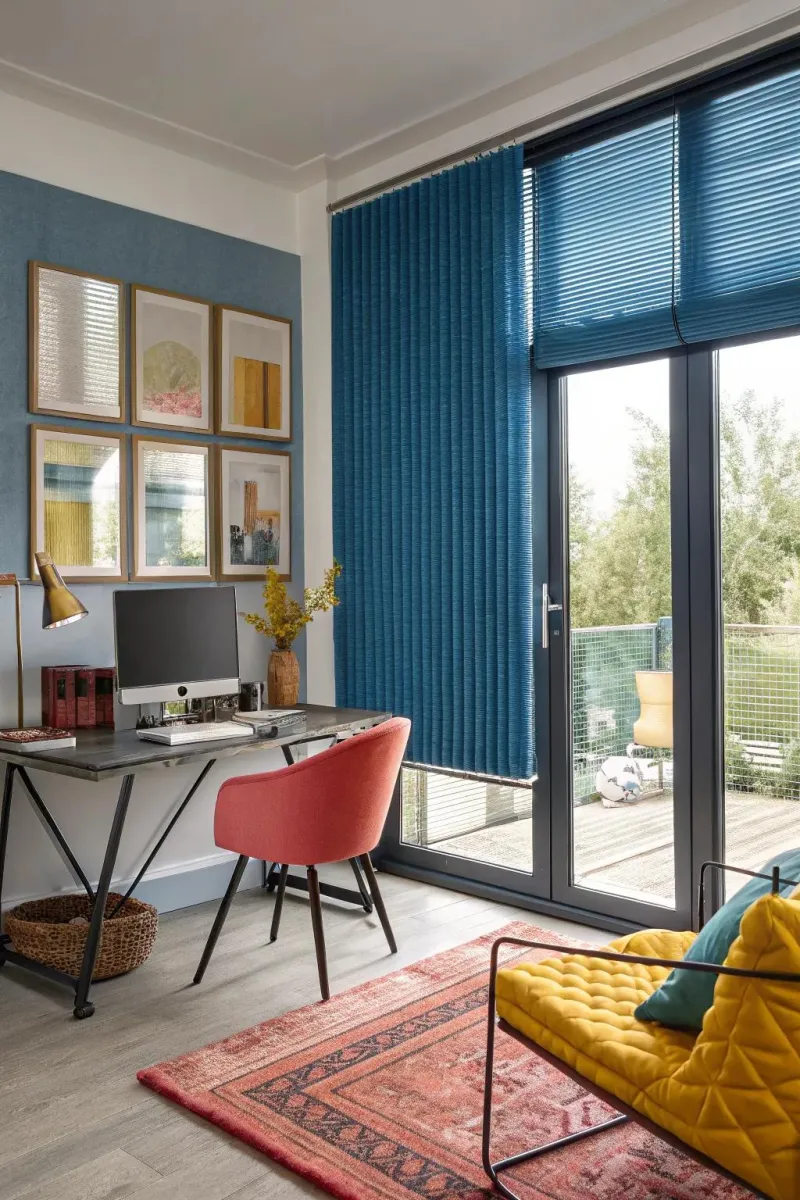
In summer, windows should work hard at softening and filtering. Sheer voiles and lightweight linen-effect fabrics diffuse the low evening sun, maintain privacy while inviting the breeze, and lend rooms that holiday-at-home ease. Roman blinds in pale, natural weaves — a crisp cotton, a slubby texture — sit neatly within the window recess, leaving sills clear for open casements.
Come autumn, the priorities invert. Thermal-lined blinds become quietly heroic, trapping a layer of insulating air at the glass and shaving real money off heating bills. Velvet curtains, interlined and floor-grazing, transform a draughty bay into a snug retreat. There is a reason the Danes have a word for winter cosiness — and heavy drapery is a large part of how we might achieve our own version of it.
Making Rotation Practical
The objection is always the same: cost, and where on earth to store it all. Both are more manageable than they appear.
Layer rather than replace. The most economical approach keeps a constant fitting — a wooden venetian, a shutter, a plain roller blind — and rotates only the soft dressing above it. A voile panel for summer, velvet panels for winter, both hanging from the same track.
Change linings, not curtains. Many made-to-measure curtains can be re-lined seasonally. A blackout thermal lining for the darker months, a lighter cotton lining for summer, achieves much of the effect at a fraction of the outlay.
Rotate a few rooms, not all of them. Prioritise bedrooms, where seasonal comfort matters most, and the main sitting room. Hallways and kitchens can happily keep a year-round scheme.
Store with care. Clean fabrics before storing — moth larvae are drawn to body oils and stains — and pack them in breathable cotton bags with cedar blocks, never plastic, in a dry loft or under-stairs cupboard.
A Habit Worth Starting
There is a pleasure in the seasonal swap that goes beyond practicality: the same small satisfaction as bringing out the winter coats, a sense of the home keeping time with the year outside. And because window dressings are changed infrequently, quality pays — a well-made velvet curtain will serve for many winters, and a fine voile for many summers.
We would not suggest our climate has made this habit essential. But with energy prices what they are, and summers increasingly warm, the argument grows stronger each year. Your wardrobe gets two changes a season; surely your windows deserve at least one.