Measured, Considered, Perfectly Fitted: A Homeowner's Companion to Commissioning Made-to-Measure Blinds

Photo: Wolff-BI, CC BY-SA 4.0, via Wikimedia Commons
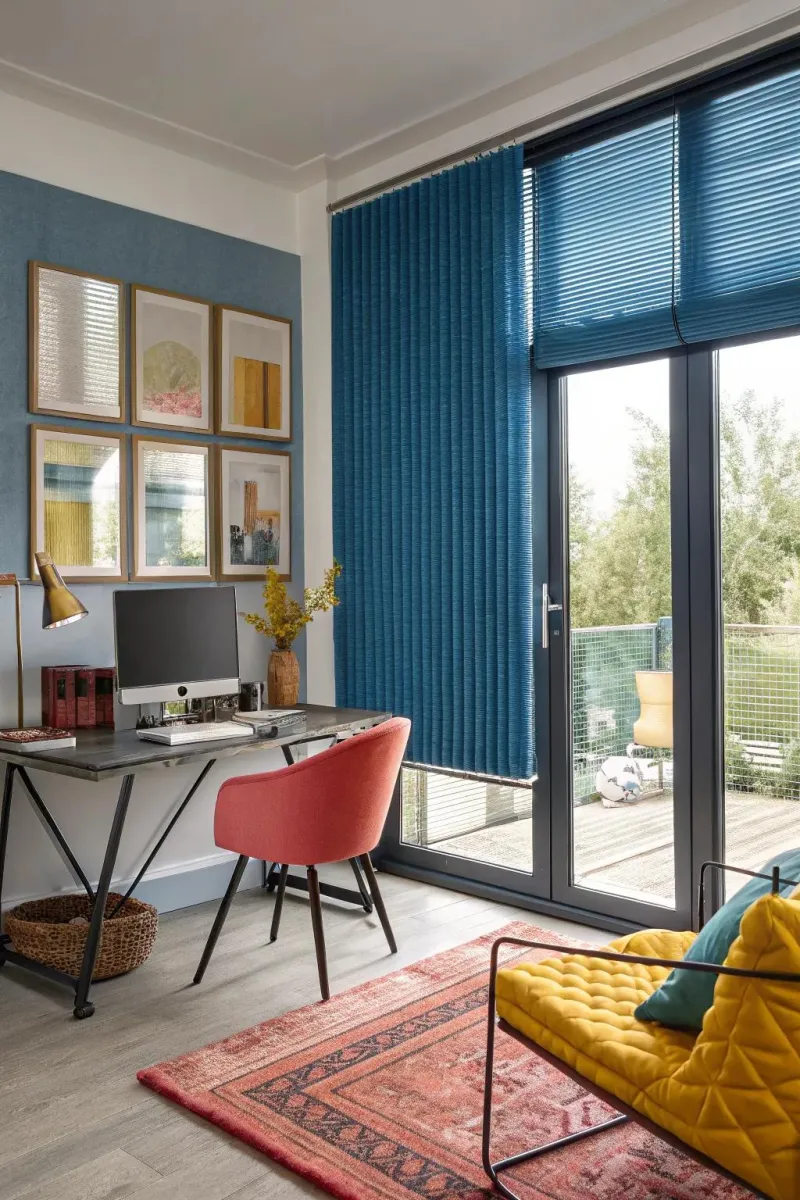
There is a particular satisfaction in a blind that fits its window as though the two were made for one another — because, of course, they were. Made-to-measure window dressing remains one of the most transformative yet affordable investments a homeowner can make, and yet the process is often approached with a degree of trepidation that it scarcely deserves.
Whether you are dressing a modest terrace in York or a detached family home in the Home Counties, a little preparation goes a long way. Here is how to move from initial enquiry to flawlessly fitted blind without a single regret along the way.
Begin with the Tape Measure, Not the Fabric Swatch
It is tempting to fall in love with a fabric first and worry about dimensions later. Resist the impulse. Accurate measurement is the foundation upon which every successful blind order rests, and it is where the majority of expensive mistakes occur.
Begin by deciding whether your blind will sit inside the recess or outside it. An inset blind offers a neat, tailored look and preserves the architecture of the window; an overlay blind can make a window appear larger and is often the better choice where recesses are shallow or uneven — as they frequently are in older British properties.
For a recess fitting, measure the width and drop at three points (top, middle and bottom for the width; left, middle and right for the drop) and use the smallest measurement. For an outside fitting, allow a minimum of 50mm overlap on each side beyond the recess, and remember to account for obstructions such as window handles, radiators and picture rails.
One further note: always measure in millimetres, and always measure twice. Suppliers of bespoke blinds cannot accept returns on items made to your specification, so a moment's care at this stage protects your entire investment.
Linings, Controls and the Details That Matter
The fabric may be the star of the show, but the supporting cast determines how your blind performs day to day.
Linings deserve particular consideration. A standard lining offers basic light filtering and a neat rear finish; a blackout lining transforms a bedroom, particularly valuable during the long light of a British June; and a thermal lining adds a welcome layer of insulation — a genuinely meaningful consideration given the cost of heating a home through a British winter.
Control types are equally consequential. A cordless spring-loaded or motorised option removes hanging cords entirely — an important safety consideration in homes with young children — while motorisation brings particular benefits to hard-to-reach windows above kitchen sinks or stairwells, and to banks of blinds you wish to operate together.
Do also think about stack height: where the fabric gathers when the blind is raised. A tall stack can obscure a handsome window head, so if your sash windows or architraves are a feature worth showing off, raise this with your advisor before ordering.
Understanding Lead Times — and Planning Around Them
Bespoke means exactly that: your blinds are cut, sewn and assembled to order, typically taking anywhere from two to six weeks depending on the fabric chosen and the complexity of the design. Hand-finished pieces and imported fabrics may take longer.
The most common regret we encounter is not dissatisfaction with the product, but with the timing — blinds ordered in a rush before Christmas, or the week before new carpets are laid. Plan ahead. If decorators, flooring layers or new window installations are scheduled, book your blind fitting to follow them, and allow a sensible buffer for delivery.
The Questions Worth Asking Before You Commit
A reputable showroom will welcome informed questions. Before placing your order, consider asking:
- What is the expected lead time, and will I receive confirmation once my order is placed?
- Who takes the final measurements — and is a home visit included?
- Is fitting included in the price, and what guarantee covers the installation?
- How should the blinds be cleaned and maintained given the fabric I have chosen?
- Are child-safety compliant cord controls fitted as standard?
- Can I see the fabric in situ — a sample or swatch taken home to view in my own light?
That last question matters more than most people expect. Fabric that looks serene under showroom lighting can behave quite differently beside a north-facing window in a shaded sitting room. Never order a substantial quantity of fabric without living with a sample first.
Common Pitfalls, and How to Avoid Them
A brief roll-call of the errors we see most often:
- Measuring the wrong window — sounds improbable, happens surprisingly often in homes with identical windows side by side. Label everything.
- Ignoring handles and hinges, resulting in blinds that catch or cannot hang flush.
- Choosing fashion over function — a delicate silk-look fabric in a steamy kitchen, or a pale linen in a conservatory that catches full afternoon sun. Match the fabric to the room's realities.
- Forgetting the reveal — the space where blind meets frame. A few millimetres of tolerance makes the difference between a smooth operation and a daily struggle.
- Ordering in isolation — blinds chosen before curtain poles, paint colours or flooring are settled can clash with the finished scheme. Consider your window dressing as part of the whole room, not an afterthought.
A Final Word
Made-to-measure blinds reward patience and preparation in equal measure. Take your time, ask the searching questions, and lean on the expertise available to you — a good showroom advisor has steered hundreds of homeowners through precisely this process and can spot a potential difficulty long before it becomes an expensive one.
Do that, and the only regret you are likely to feel is that you did not commission them sooner.